

A Starter’s Guide to Casino Game Fairness

I remember when I first commenced looking into online casinos in the Czech Republic betalicekasino.cz. I’d open a slot game and immediately question if the outcome was already determined, or if some hidden switch dictated when I’d win. That question rests at the heart of casino game fairness, and it is important to anyone who deposits money online. Fairness does not imply every session results in profit. It means the game functions on a transparent, random, and verifiable basis, with no manipulation targeted at you beyond the built-in mathematical advantage. Understanding that difference is the first step toward playing with confidence. I’ll take you through the main ideas behind fair casino games, from random number generators to licensing and independent testing. By the end, you should be capable of look at any Czech-facing casino, including Betalice Casino, and ask the right questions before you play.
The Purpose of Random Number Generators
A random number generator, or RNG, is positioned at the heart of nearly every online casino game. I prefer to think of it as a digital dice roller that generates hundreds or vast numbers of numbers per second, even when nobody is playing. When I hit spin on a slot, the software retrieves the current number from that stream and converts it into a game outcome, like the symbols that appear on the reels. This process is designed so each result is unrelated of the one preceding it. A machine that has just paid a jackpot isn’t more or less likely to pay again on the subsequent spin. The same principle goes for virtual table games and card shufflers. For the system to be regarded as fair, the RNG must satisfy statistical tests for chance, distribution, and uniqueness. When I review a casino for Czech players, I seek games from reputable providers whose RNGs are verified by third parties. Without a properly certified RNG, no graphical appeal or brand reputation can guarantee the game is fair.
How Independent Testing and Certification Work
Independent testing is amongst the strongest signals that a casino game is legitimate. When I say independent, I mean a company that isn’t owned by the casino or the game developer. These testing laboratories examine the RNG software, run millions of simulated rounds, and verify that the results match the expected payout percentages. Some of the well-known names in this field include eCOGRA, iTech Labs, and Gaming Laboratories International. If a game passes their checks, it commonly gets a certificate or badge. I do not view that badge as a guarantee that I’ll win, but I do consider it as evidence that the game has been mathematically audited. For Czech players, checking for these certificates can be a fast way to separate serious operators from questionable ones. A licensed casino operating in the Czech Republic shouldn’t hide its testing credentials. I regularly look for this information in the casino footer or in the game help files.
How Does Casino Game Fairness Really Mean?
When I talk about fairness in a casino game, I’m not promising you’ll win. A fair game may still hand you a long losing streak, and the casino still holds an edge. Fairness simply means each spin of a slot, each card dealt, or each roll of the dice follows a process that’s genuinely random and not rigged against you after the rules are set. The game shouldn’t change its behaviour based on whether you’re winning or losing. In practical terms, the outcomes are generated by a certified random number generator, the payout table aligns with the stated return to player, and the operator can’t tweak results on the fly. For Czech players, this concept should be the baseline before choosing where to play. Without fairness, no strategy or bankroll management can help you over the long run.
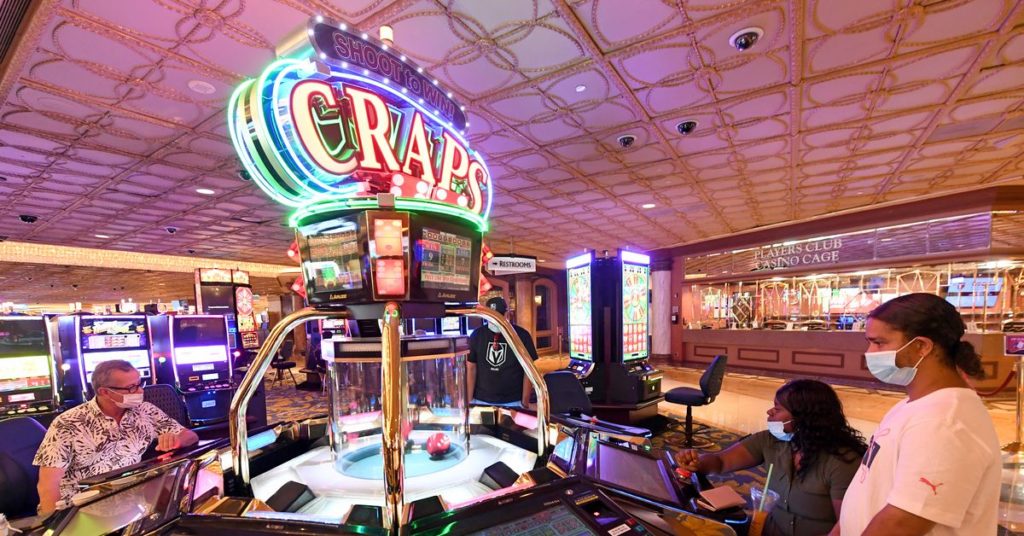
I also know that fairness goes beyond the moment a game resolves. It includes whether the bonus terms are clear, whether your withdrawal is processed according to published rules, and whether the casino displays its licence openly. A game could be technically fair while the surrounding platform behaves unfairly. That’s why I look at fairness as a system, not just a feature of a single slot or table game. When I visit an online casino in the Czech Republic, I want to see evidence that the whole operation answers to an authority and follows standards. This broader view prevents me from treating a single lucky session as proof of fairness or a losing session as proof of cheating. It also prompts me to read the fine print before I accept a bonus, because a fair game could be ruined by impossible wagering requirements.
RTP and House Advantage Clarified
RTP, commonly abbreviated to RTP, is a percentage that shows how much of the total money wagered on a game is anticipated to be paid back to players over a vast number of rounds. If a slot has an RTP of 96 percent, for example, I don’t expect to get back exactly 96 CZK from a single 100 CZK bet. The figure represents a long-term statistical average across millions of spins. The remaining 4 percent represents the house edge, which is how the casino supports its operations and generates a profit. Grasping this distinction has saved me from many misunderstandings. A high RTP does not remove short-term losses, and a low RTP does not indicate a game is unfair. What counts is whether the actual game behaviour matches its advertised RTP. That’s why I invariably check the game information section before I begin.
The house edge operates in the opposite direction, and it’s always built into the game rules. In roulette, for example, the inclusion of the zero gives the house an advantage over a player betting on red or black. In blackjack, the edge depends on the specific rules and how well I handle my hands. Slots usually have a wider range of house edges, but that’s not a sign of cheating; it’s simply the game’s construction. I’ve discovered that comparing RTP and house edge across games helps me make more educated choices, but it won’t guarantee a profit. Fairness means these percentages are revealed or verifiable, and that the game engine provides results within the expected range. When I see a Czech casino such as Betalice Casino offering games from well-known providers, I know those figures are more likely to be independently verified.
Effective Ways to Confirm Fairness Before You Gamble
Before I add money at any online casino, I follow a short mental checklist. To start, I search for the operator’s licence number and verify whether it’s recorded with the Czech Ministry of Finance. Next I scroll to the footer or the about page to discover information about independent testing, such as an eCOGRA certificate or a statement from iTech Labs. I also launch a few games and review their help files to view the stated RTP and rules. If the casino doesn’t show this information clearly, I consider that as a warning sign. Lastly, I look for player reviews and complaint histories from other Czech users. I don’t anticipate a perfect record, because every casino has some complaints, but I do seek patterns of unresolved withdrawal issues or accusations of rigged games. That blend of official checks and community feedback offers me a realistic picture of fairness. I also check the withdrawal process with a small amount before depositing larger sums.
I’ve also discovered to focus on how a casino speaks about fairness. If a site claims guaranteed wins or implies the odds can be beaten by a secret strategy, I become suspicious immediately. Honest casinos concentrate on transparency, responsible gambling, and the mathematical nature of their games. When I landed on Betalice Casino, for example, I checked its licence data, game provider list, and any mention of RNG testing. I didn’t require to locate a wall of technical documents, but I did need enough evidence to have confidence in the platform before inputting my card details. A few minutes of this kind of research can stop hours of frustration later. In the Czech online gambling market, the best protection is still a well-informed player who refuses to put up with vague answers. I now treat fairness checks as part of my routine, just like checking the terms of a bonus. That habit has aided me avoid platforms that lean on flashy design rather than substance.
How Licensing and Regulation Are Important
I carefully consider licensing since a casino that is regulated in the Czech Republic has legal obligations to protect players. The Czech Ministry of Finance provides licences for online gambling, and operators must follow strict rules about game fairness, data security, and responsible gambling. When I bet at a licensed site, I know the games have been approved for the local market and that the operator can face penalties if it manipulates outcomes. This doesn’t mean a licence removes all risk, but it does give me a formal route for complaints and audits. I also steer clear of offshore casinos that claim to be fair while operating without Czech permission, because their promises are much harder to verify. A brand such as Betalice Casino, when presented as a Czech-facing site, should clearly show its licensing status and responsible gambling tools. That transparency is part of what I regard as fair play. I also check whether the casino offers Czech-language support, because that usually signals a serious local operation. If something feels unclear, I reach out to customer support before depositing.
Frequently Asked Questions
How Would You Define Fair Casino Gaming Indicate?
Fair casino gaming signifies every outcome is determined randomly and corresponds to the game’s declared rules and payout percentage. It doesn’t guarantee you’ll win or avoid losing streaks. Instead, it means the casino can’t manipulate results based on your betting history, balance, or time of day. For Czech players, fairness also covers transparent bonus terms, clear licensing, and a reliable withdrawal process. I always check these broader conditions before I regard a game fair.
How Can I Tell a Slot Machine Is Fair?
The most reliable way involves checking independent RNG testing and a valid licence. Testing labs such as eCOGRA or iTech Labs verify the random number generator and verify the results correspond to the expected return to player. In the Czech Republic, licensed operators must follow rules set by the Ministry of Finance. If a casino withholds its testing certificates or licence number, I’d stay away from it. A single losing session does not prove of rigging.
What Constitutes a Good RTP Percentage for Slots?
Most online slots have an RTP between 94 and 97 percent. A figure above 96 percent is typically considered advantageous for players, but the difference only becomes noticeable over thousands or millions of spins. I utilize RTP as a way to contrast games, not as a promise of short-term results. The actual outcome of any single spin is still random. High RTP does not render a game fair by itself; the RNG still matters.
Are Live Dealer Games Fair in the Czech Republic?
Certainly, live dealer games may be fair when they are presented by licensed operators and provided by reputable studios. The cards and wheels are real, but the streaming and dealing procedures are heavily supervised. I seek casinos that display their live dealer licence and utilise recognised providers such as Evolution or Pragmatic Play Live. If the casino is licensed in the Czech Republic, I know the live games are bound to the same fairness standards as digital games.
Does a Casino Licence Assure Fair Games?
A licence doesn’t guarantee I’ll never lose, but it does provide strong oversight. Licensed casinos in the Czech Republic have to meet fairness, security, and responsible gambling requirements. They can be audited and punished if they infringe the rules. I treat a licence as an essential starting point, not a substitute for my own checks. If a site states to be fair but has no Czech licence, I’m much more cautious about depositing money there.

Which Should I Take If I Think a Game Is Unfair?
To start, I stop playing and compile evidence, such as game ID, time, bet amount, and any relevant screenshots. Then I notify the casino’s customer support in writing and demand an explanation. If the response is unsatisfactory, I determine whether the casino is licensed in the Czech Republic and submit a complaint with the relevant authority or dispute resolution body. I also report the issue on trusted player forums, because that helps other Czech users avoid the same problem.
Is It Safe to Trust Betalice Casino for Fair Gaming?
When I evaluate Betalice Casino, I follow the same fairness checklist I utilize for any Czech-facing platform. I look for a visible licence, independent testing certificates, and games from known providers. I also review its terms and responsible gambling information. If those elements are present and clearly displayed, that’s a positive sign. However, no certificate or licence takes the place of your own due diligence, so I always monitor recent player feedback and evaluate the withdrawal process myself.